



What’s behind the itch? Understanding itchy ears.
Itchy ears are really common, and we wonder what can be done to relieve the discomfort. There are various factors that can trigger this sensation.
1. Earwax accumulation

Earwax is a normal and essential substance for ear health but, in certain instances, it can accumulate excessively and become bothersome, leading to an itching sensation. The ears have a natural, self-cleaning, and self-protecting mechanism in place, with earwax playing a crucial role in this defense.
When foreign objects are inserted into the ear, it can inadvertently push earwax deeper into the ear canal, potentially resulting in impaction and persistent ear itching.
If you have excessive earwax buildup your healthcare professional might recommend the use of products such as OTIBLOCK® or even a manual removal procedure.
2. Infections
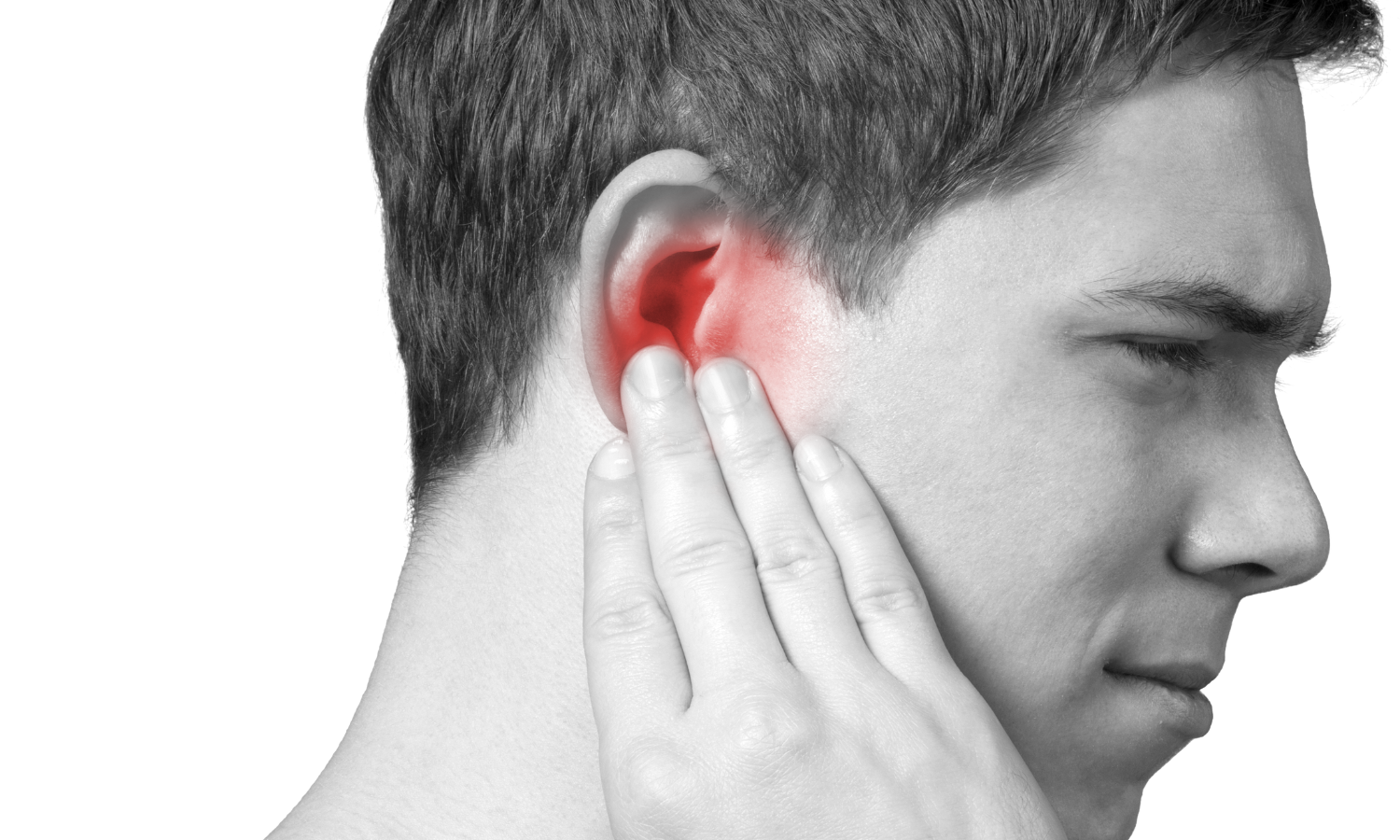
If your itchy ears are also painful, warm to the touch, and red, it’s a strong indicator of an infection, especially when accompanied by other symptoms like a drainage or fever. A well-known example of an itchy and painful ear infection is «swimmer’s ear,» or otitis externa, which can occur even without swimming, especially in humid environments.
Prevention is key, reducing the water accumulation in the external ear canal with the appropriate procedures.
The spray OTIDRY-MD® can be beneficial in these cases to ease drying and restore the normal pH of the outer ear.
3. Dermatological conditions (including Eczema and Psoriasis)
Eczema refers to a group of conditions that cause redness, itchiness, and inflammation of the skin. On the other hand, psoriasis, an autoimmune disease, presents as a red, itchy rash on the skin. Both conditions may be chronic but are treatable.
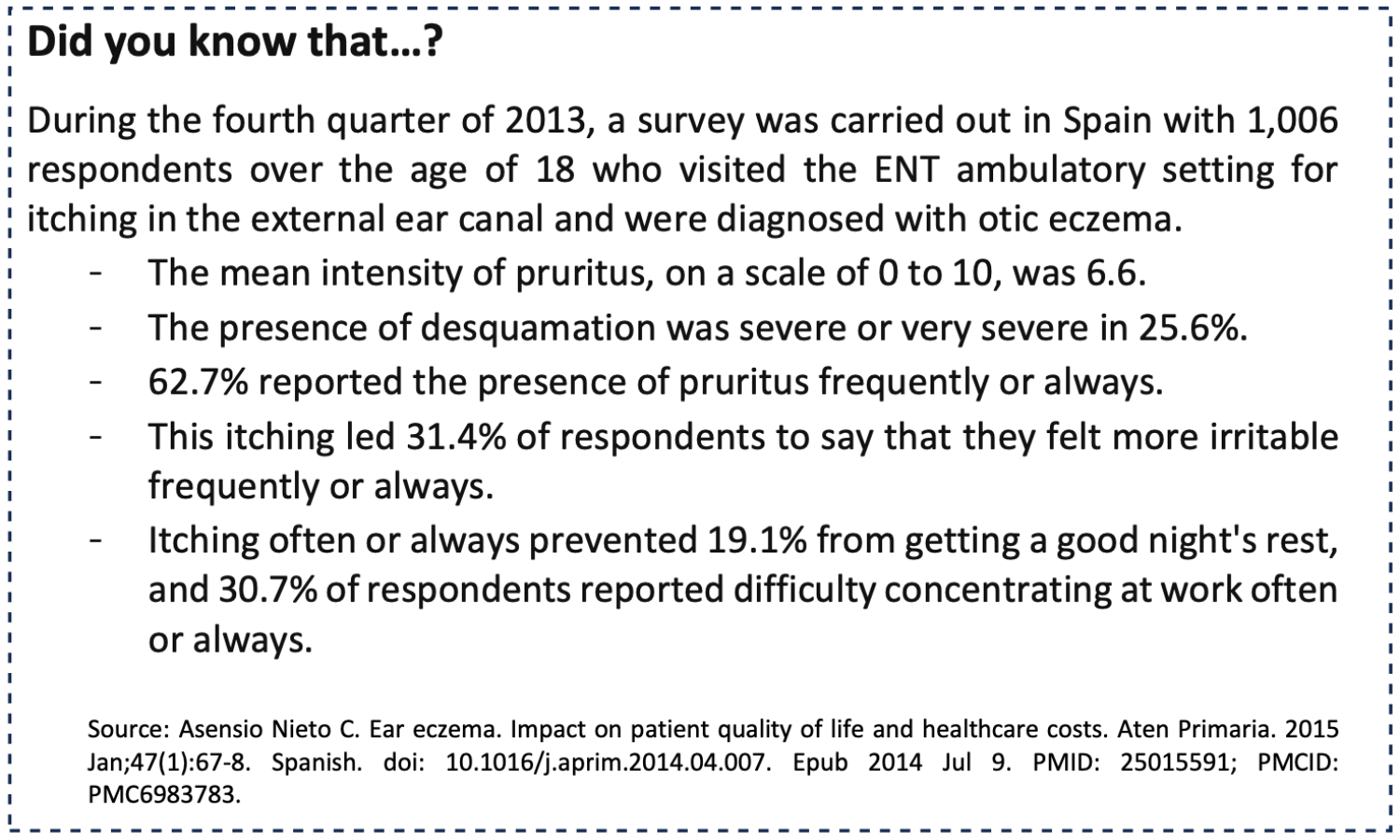
Otic eczema is a dermatological inflammatory condition that affects the lining of the ear canal. It is characterized by intense itching and, oftentimes, scaling or flaking.
Ear eczema can be very frustrating and uncomfortable. It can affect your sleep, your mood, and your confidence. It can also increase your risk of infections and hearing problems.
Otic eczema occurs more frequently among the urban population, so it can be considered a disease of industrial societies.
Otic eczema can be caused by various factors, such as:
- Allergic contact dermatitis due to earrings, cosmetics, or topical medications.
- Skin diseases that extend to the ear canal, such as atopic dermatitis, seborrheic dermatitis, or psoriasis.
- Infectious eczematoid dermatitis due to discharge from an infected site.
- Environmental factors that affect the skin barrier, such as temperature, humidity, or over-washing.
Otic eczema can have a significant impact on patients’ quality of life.
It can interfere with their hearing, sleep, and well-being. It can also increase their risk of developing secondary infections or complications in the ear.
4. Irritation caused by hearing devices and earplugs

Hearing aids, earbuds, and Airpods can sometimes lead to itching and exacerbate conditions like dermatitis. For instance, in the case of hearing aids, the components such as domes or earmolds can create friction against the skin and, in addition, they can obstruct the ear canal, potentially leading to moisture buildup. On rare occasions, individuals may develop an allergy to a constituent of the hearing device or earbud.
If you frequently use Airpods or earbuds, it’s important to be mindful of the possibility of ear irritation, which may include swelling and itchiness, because of excessive use. In more severe instances, unclean earbuds can trigger infections in the outer ear. If your hearing devices are causing discomfort and itching, it is advisable to consult a hearing healthcare professional. They will assess the fit of your devices to ensure they are correctly positioned.
If your ear skin is dry and itchy, they may recommend the use of moisturizing products such as OTIKEEN®, which can increase comfort during wear.
Moreover, maintaining regular cleanliness of your hearing aids and hearing devices is essential.
If you are uncertain about how to properly clean your hearing aids, it is advisable to seek guidance from your audiologist.
5. Allergic reactions: Food and seasonal allergies
The ears are not immune to allergic reactions, unfortunately.
Remarkably, allergies, whether related to food, skin, or seasonal factors like spring and fall allergies, can affect the ears, giving rise to the familiar and unwelcome sensation of itchiness.
For some doctors, otic eczema is one of the most difficult forms of otitis externa to treat, as the agents that cause it are unknown and its evolution is chronic and recurrent.
Treatment should consist of:
1) cleaning the external ear canal, 2) use of topical moisturising treatment, 3) topical anti-inflammatory treatment and, 4)when there is a secondary infection, use of topical bactericides and/or fungicides.
Many otolaryngologists treat this process with low potency topical steroids, but this treatment is not always effective. In addition, most patients with otic eczema experience recurrences, and prolonged use of topical steroids may be contraindicated.
For this reason, it is necessary to use other types of treatments, such as topical moisturizers, especially those formulated with oils extracted from plants.
6. Rare Causes of Ear Itching
Diabetes:
Certain systemic disorders, such as diabetes, can render individuals more susceptible to ear infections and itching. This occurs because diabetes alters the acidity of earwax, making the ear skin more vulnerable to fungal and bacterial infections. It is imperative to seek professional treatment, as attempting to rinse the ears with water or other substances can exacerbate the condition.
Liver Disease:
Specific liver conditions that obstruct bile flow, such as primary biliary cholangitis and cholestasis, can induce severe itching of the skin, including the ears.
What’s behind the itch? Understanding itchy ears.
Itchy ears are really common, and we wonder what can be done to relieve the discomfort. There are various factors that can trigger this sensation.
1. Earwax accumulation
Earwax is a normal and essential substance for ear health but, in certain instances, it can accumulate excessively and become bothersome, leading to an itching sensation. The ears have a natural, self-cleaning, and self-protecting mechanism in place, with earwax playing a crucial role in this defense.
When foreign objects are inserted into the ear, it can inadvertently push earwax deeper into the ear canal, potentially resulting in impaction and persistent ear itching.
If you have excessive earwax buildup your healthcare professional might recommend the use of products such as OTIBLOCK® or even a manual removal procedure.
2. Infections
If your itchy ears are also painful, warm to the touch, and red, it’s a strong indicator of an infection, especially when accompanied by other symptoms like a drainage or fever. A well-known example of an itchy and painful ear infection is «swimmer’s ear,» or otitis externa, which can occur even without swimming, especially in humid environments.
Prevention is key, reducing the water accumulation in the external ear canal with the appropriate procedures.
The spray OTIDRY-MD® can be beneficial in these cases to ease drying and restore the normal pH of the outer ear.
3. Dermatological conditions (including Eczema and Psoriasis)
Eczema refers to a group of conditions that cause redness, itchiness, and inflammation of the skin. On the other hand, psoriasis, an autoimmune disease, presents as a red, itchy rash on the skin. Both conditions may be chronic but are treatable.
Otic eczema is a dermatological inflammatory condition that affects the lining of the ear canal. It is characterized by intense itching and, oftentimes, scaling or flaking.
Ear eczema can be very frustrating and uncomfortable. It can affect your sleep, your mood, and your confidence. It can also increase your risk of infections and hearing problems.
Otic eczema occurs more frequently among the urban population, so it can be considered a disease of industrial societies.
Otic eczema can be caused by various factors, such as:
- Allergic contact dermatitis due to earrings, cosmetics, or topical medications.
- Skin diseases that extend to the ear canal, such as atopic dermatitis, seborrheic dermatitis, or psoriasis.
- Infectious eczematoid dermatitis due to discharge from an infected site.
- Environmental factors that affect the skin barrier, such as temperature, humidity, or over-washing.
Otic eczema can have a significant impact on patients’ quality of life.
It can interfere with their hearing, sleep, and well-being. It can also increase their risk of developing secondary infections or complications in the ear.
4. Irritation caused by hearing devices and earplugs
Hearing aids, earbuds, and Airpods can sometimes lead to itching and exacerbate conditions like dermatitis. For instance, in the case of hearing aids, the components such as domes or earmolds can create friction against the skin and, in addition, they can obstruct the ear canal, potentially leading to moisture buildup. On rare occasions, individuals may develop an allergy to a constituent of the hearing device or earbud.
If you frequently use Airpods or earbuds, it’s important to be mindful of the possibility of ear irritation, which may include swelling and itchiness, because of excessive use. In more severe instances, unclean earbuds can trigger infections in the outer ear. If your hearing devices are causing discomfort and itching, it is advisable to consult a hearing healthcare professional. They will assess the fit of your devices to ensure they are correctly positioned.
If your ear skin is dry and itchy, they may recommend the use of moisturizing products such as OTIKEEN®, which can increase comfort during wear.
Moreover, maintaining regular cleanliness of your hearing aids and hearing devices is essential.
If you are uncertain about how to properly clean your hearing aids, it is advisable to seek guidance from your audiologist.
5. Allergic reactions: Food and seasonal allergies
The ears are not immune to allergic reactions, unfortunately.
Remarkably, allergies, whether related to food, skin, or seasonal factors like spring and fall allergies, can affect the ears, giving rise to the familiar and unwelcome sensation of itchiness.
For some doctors, otic eczema is one of the most difficult forms of otitis externa to treat, as the agents that cause it are unknown and its evolution is chronic and recurrent.
Treatment should consist of:
1) cleaning the external ear canal, 2) use of topical moisturising treatment, 3) topical anti-inflammatory treatment and, 4)when there is a secondary infection, use of topical bactericides and/or fungicides.
Many otolaryngologists treat this process with low potency topical steroids, but this treatment is not always effective. In addition, most patients with otic eczema experience recurrences, and prolonged use of topical steroids may be contraindicated.
For this reason, it is necessary to use other types of treatments, such as topical moisturizers, especially those formulated with oils extracted from plants.
6. Rare Causes of Ear Itching
- Diabetes: Certain systemic disorders, such as diabetes, can render individuals more susceptible to ear infections and itching. This occurs because diabetes alters the acidity of earwax, making the ear skin more vulnerable to fungal and bacterial infections. It is imperative to seek professional treatment, as attempting to rinse the ears with water or other substances can exacerbate the condition.
- Liver Disease: Specific liver conditions that obstruct bile flow, such as primary biliary cholangitis and cholestasis, can induce severe itching of the skin, including the ears.